Down Memory Lane
A Picture History Of My Work From 1962 to 1969
“I enjoyed it then. The designs, the interpersonal contact and negotiations, the freedom to roam the roads, the freedom to be my own boss. It was a challenge to find a solution to the many problems but I’m glad that I got out. It became too hectic.”
MSAIM, MCIT, MITSA, AMIRTE, MSAARET, N Dip Dr, N Dip Eng, SAIM Ad Dip Man, RAU Dip RT.
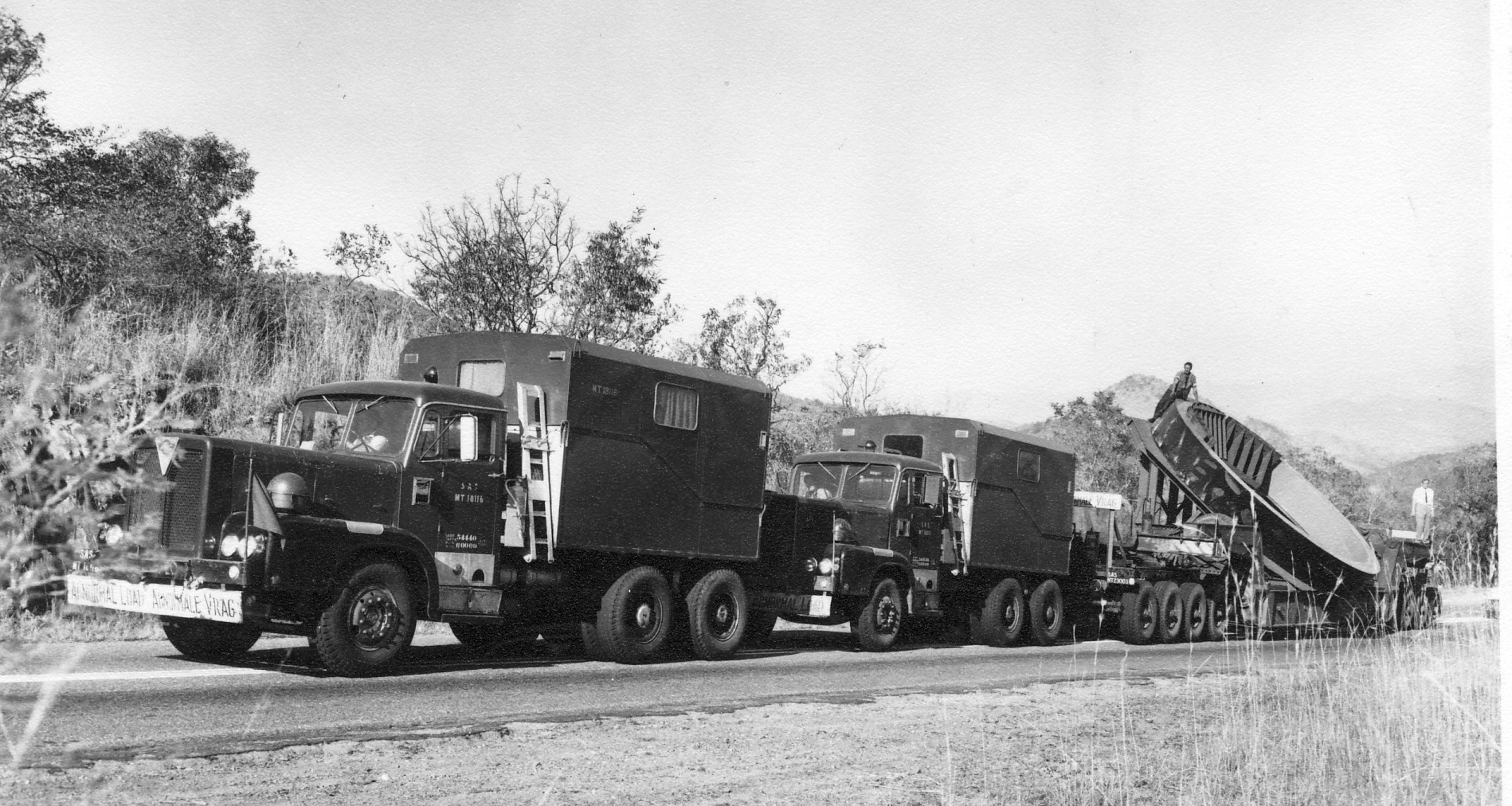
Cement Kiln Riding Rings

These pictures were taken near Barbeton on the way to Nelspruit. We had stopped for the night at Barbeton. The road climbs pretty steeply and the speed at this point was around 5 km/h. The picture above shows one of the “change about” drivers , Jog – perched on top of the load to raise telephone cables, myself, Jack Webster – the engineer from the trailer suppliers and Ross (surname unknown), their chief draftsman. We rode for quite a distance on top of the trailer to observe the compensating interaction of the hydraulic support cylinders and the steering mechanism.
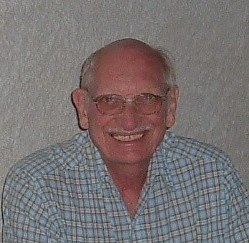
When we got to Lorenco Marques, I found I had forgotten to pack a tie and had to go to the flea market to buy one. Here I am standing on top of the bolster wearing my Portugese tie! How the memories flood back…
From Lorenco Marques ( now Maputo) to Lichtenburg in North West province.
There were some 15 of these rings which, when fitted to a cement kiln, support the kiln like a giant bearing as it rolls and turns under operating conditions. A kiln is about 15m long and rolls slowly as the limestone is fired. The kiln lies at and angle so the fired limestone works its way downward with the rotation and falls out at the bottom end as caked limestone which is then powderised in a giant ball mill. The end product is cement.
The rings were all around 18 feet in diameter (5.5m) and would have been too wide to transport flat and too high to transport vertically. I came to an agreement with the traffic authorities of Mozambique and the then Transvaal to transport the rings at an angle of about 45 degrees so that traffic coould pass under the “high” side. The mass of the rings was not excessive but with the sheer size and the trestle, 60 ton trailer was used to aid the stability in transit. The speed was restricted to 20 Km/h all the way from LM (Maputo) to the Ulco cement factory in Lichtenburg and only back roads could be used. A real tedious journey and there would be 15 of them!
This trailer was built in Britain but they were due to manufacture a smaller version in Tooronga – near Johannesburg. I had gone to LM to oversee the loading of the first ring and to make sure that all was in order for the remainder to follow. The clearing agents, Rennies Freightmarine, treated me royally and showed me the sights of LM at night. Quite a party! Their agent was a Greek by the name of Mr Perdikapoulis – can I ever forget such a name? The crane driver in LM was also the checker, clerk, typist and shunter. No job reservation…
Using 2 vehicles in tandem was the norm but in thoe days there were no intercoms between the two vehicles. All the drivers knew one another so well that without hesitation they changed gears – up and down – every time without fail. It became second nature to them. These guys could DRIVE!
The driver in the second vehicle had no need to steer as his vehicle was guided buy the one in front. A real boring job 0 not even being able to see where he was going.
Still Interested? See Part Three - "Goedbeloon" for the next set of photographs
Menu